Pangolins are shy, nocturnal mammals covered in tough overlapping scales made of keratin — the same material as human fingernails. Found across Asia and Africa, these solitary insect-eaters play a vital role in controlling termite and ant populations. Despite their ecological importance, all eight pangolin species are now threatened by poaching and illegal international trade.
Why pangolins are important
– Natural pest control: Pangolins consume thousands of ants and termites every night, helping protect crops, trees, and human structures from pest damage.
– Soil health and ecosystem balance: By digging for ants and termites, pangolins aerate soil, mix organic material, and promote seedling growth and microbial diversity.
– Biodiversity indicator: Healthy pangolin populations indicate functioning ecosystems; declines often signal wider environmental problems.
– Cultural and scientific value: Pangolins feature in local folklore and offer researchers insights into specialized feeding adaptations, scale biology, and disease ecology.
About their scales — what they are and why they matter
– Composition and function: Pangolin scales are made of keratin and form a natural armor against predators. When threatened, pangolins curl into a tight ball, with scales acting as tough protective plates.
– Human uses and misconceptions: Pangolin scales are mistakenly believed to have medicinal properties in some traditional medicine systems; they are also fashioned into ornaments. Scientific studies show no proven medical efficacy for pangolin scales — their demand is driven by myth and market value.
– Conservation consequence: The value placed on scales has led to intense illegal hunting, decimating wild populations. Protecting pangolins requires reducing demand for scales and promoting evidence-based alternatives.
Legal protection and international governance
– CITES protection: All eight pangolin species are listed in Appendix I of the Convention on International Trade in Endangered Species of Wild Fauna and Flora (CITES), which bans most international commercial trade in pangolins and their parts.
– National laws: Many range countries (e.g., China, Vietnam, several African nations) have strengthened domestic protections, imposing penalties for hunting, possession, and trade. Enforcement differs by country; strengthening legal frameworks and anti-poaching capacity remains essential.
– International cooperation: Global law-enforcement partnerships, information-sharing, and coordinated prosecutions help disrupt international trafficking networks. Public awareness campaigns and demand-reduction initiatives in consumer countries are critical complements to legal measures.
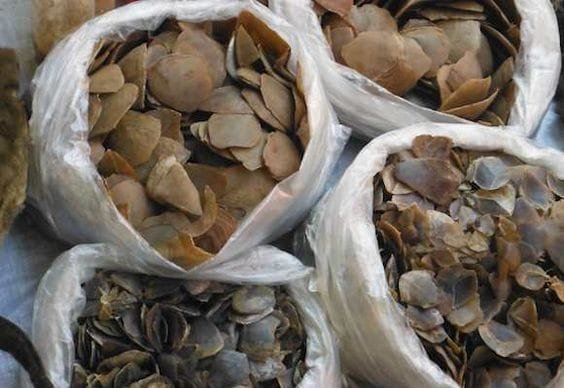
Putting all these together and taken to consideration, we ship not more that 2 metric tons within 4 months. We ship on part part payment basis or all payments done before any shipment. Our transportation means will always remain discreet due to our company policies and to remain top dealers in African pangolin (scale around the world).











 Agro Commodities
 Livestock
 Fertilizers
 Dry Nuts
 Scrap Metals
 Machine
Reviews
There are no reviews yet.